
For busy parents in the Phoenix area juggling work, kids, and wellness, perimenopause symptoms can feel like they came out of nowhere. The core challenge is perimenopause confusion: mood shifts, stubborn sleep changes, and a body that suddenly feels unpredictable can show up long before anyone expects “menopause.” These early signs of menopause often overlap with stress, thyroid issues, postpartum changes, or everyday burnout, making it hard to know what’s normal and what needs attention. A clearer context around the menopause transition challenges can help women in the Phoenix area feel steadier and more confident in what to ask for next.
What Perimenopause Really Means
It helps to name what’s happening. Perimenopause is the transition through menopause, starting years before your final period and lasting until a full year after it. Many women notice it in their 40s, though it can begin earlier, as ovaries age and hormone levels rise and fall unevenly.
This matters because the swings can change your cycle first, then ripple into sleep, mood, energy, and concentration. When you understand the pattern, you can describe symptoms clearly and get more useful, personalized obstetrics and gynecology support.
Think of your cycle like a calendar app with surprise updates. One month is normal, then bleeding shifts, PMS feels stronger, and sleep gets choppy right before a big workweek.
With the basics clear, choosing diet, stress, and medical options becomes much simpler.
Choose Your Relief Plan: Lifestyle, Medical, and Natural Options
Perimenopause symptoms are driven by shifting hormones, so relief usually works best as a mix-and-match plan, not one “perfect” fix. Use this menu to choose the options that fit your symptoms, your schedule as a parent, and your comfort level.
- Start with a “steady blood sugar” plate at most meals: Aim for protein + fiber + healthy fat each time (for example: eggs + berries + nuts, or chicken + beans + avocado). This can help smooth energy dips, cravings, and mood swings that feel worse when hormones fluctuate. Keep it simple by planning two easy breakfasts and two easy lunches you can repeat on busy school or work days.
- Move for hot-flash relief, sleep, and weight support: Choose a small weekly goal you can actually keep, like 20–30 minutes of brisk walking 4 days a week plus two short strength sessions (10–15 minutes of squats, lunges, pushups, or weights). Strength training supports muscle as estrogen changes, and it also helps with long-term metabolic health. Mayo Clinic notes that 1.5 pounds each year of weight gain often continues through the 50s, so gentle consistency matters more than intensity.
- Make sleep your “first symptom treatment,” not an afterthought: Pick one bedtime anchor you can do even with kids at home: lights dim 60 minutes before bed, a warm shower, and the same wind-down routine nightly. If night sweats wake you, try breathable layers, a cool room, and a spare set of pajamas nearby so you can change fast without fully waking up. Better sleep often lowers the volume on irritability, brain fog, and stress reactivity.
- Use quick stress resets that fit real life: Because perimenopause can magnify stress responses, plan two “micro-resets” you can do anywhere: a 60-second slow breathing pattern (inhale 4, exhale 6) and a 5-minute outdoor walk after lunch or school pickup. Add one boundary that protects your nervous system, like no scrolling in bed or a 10-minute buffer after work before jumping into family logistics.
- Try targeted natural remedies, carefully and consistently: For mild symptoms, some people do well with non-medication options like vaginal moisturizers for dryness, caffeine/alcohol reduction for hot flashes, and a daily omega-3–rich food (salmon, chia, walnuts) for overall inflammation support. If you’re considering supplements or botanicals, bring the bottle to your OB-GYN visit, “natural” can still interact with medications or be unsafe in certain health conditions.
- Match medical options to your top symptoms and goals: If pregnancy prevention is still relevant and your cycles are unpredictable, a low-dose birth control pill can be one option to discuss for symptom control and contraception. For hot flashes or night sweats that disrupt life, hormone therapy may be considered, and the “right” form varies, pills, patches, gels, or a progestin-containing IUD when a uterus is present. Non-hormonal prescriptions can also help when hormones aren’t a good fit.
Small, repeatable choices, food, movement, sleep protection, and stress resets, create a steadier baseline so your mood feels less like it’s running the house.
Daily Habits for Steadier Perimenopause Moods
Try these simple practices to keep momentum.
Perimenopause can feel unpredictable, but small routines build trust in your body over time. For women in the Phoenix area seeking comprehensive, accessible obstetrics and gynecology care, these habits make symptoms easier to track, discuss, and manage with confidence.
Two-Minute Symptom Snapshot
- What it is: Jot down your top symptom, mood, sleep, and cycle notes in your phone.
- How often: Daily
- Why it helps: Clear patterns help you connect triggers to symptoms and prep for OB-GYN visits.
Protein-First Morning
- What it is: Start breakfast with a protein anchor like yogurt, eggs, tofu, or a shake.
- How often: Daily
- Why it helps: A steadier start can reduce mid-morning irritability and craving spirals.
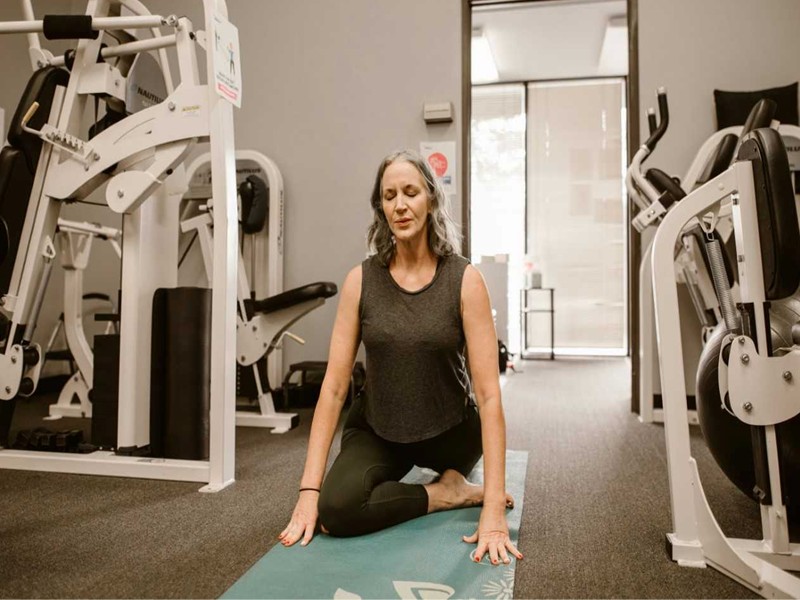
Yoga of Mindfulness Reset
- What it is: Practice yoga of mindfulness with slow poses and present-moment attention.
- How often: 3 times weekly
- Why it helps: It downshifts stress and supports emotional steadiness when hormones swing.
Hydration Cue Pairing
- What it is: Drink water every time you do a fixed task like school drop-off or coffee.
- How often: Daily
- Why it helps: Hydration can ease headaches, fatigue, and constipation that worsen overwhelm.
Weekly Care Planning Huddle
- What it is: Pick one night to plan meals, workouts, appointments, and backup childcare.
- How often: Weekly
- Why it helps: Planning reduces decision fatigue and keeps self-care realistic for parents.
Choose one habit this week, then adjust it to fit your family in Phoenix.
Common Perimenopause Questions, Answered
When you want steadier moods, clear answers help.
Q: What are the earliest signs that perimenopause has begun?
A: Early signs often include cycle changes (shorter, longer, heavier, or skipped periods) plus new irritability, anxiety, sleep disruption, or brain fog. Many women notice hot flashes, night sweats, or breast tenderness even before periods become irregular. It can start earlier than you expect, and women usually begin experiencing symptoms in their mid-30s or 40s, so tracking patterns can be reassuring.
Q: How can I differentiate between normal aging symptoms and perimenopause symptoms?
A: Perimenopause symptoms tend to cluster and fluctuate, especially around your cycle, rather than staying steady month to month. If mood swings, sleep changes, or palpitations show up in waves with period shifts, hormones may be playing a role. Write down timing, triggers, and severity to spot that “hormone swing” pattern.
Q: What lifestyle changes can help manage perimenopause symptoms effectively?
A: Prioritize consistent sleep and blood-sugar support with protein at meals and planned snacks, especially on busy parenting days. Add short strength or brisk-walk sessions to improve energy and stress tolerance. Limit alcohol and late caffeine if night sweats or insomnia are driving emotional spirals.
Q: Are there natural remedies that support emotional well-being and balance during perimenopause?
A: Mind-body tools like paced breathing, mindfulness, and gentle yoga can calm the stress response when hormones feel jumpy. Magnesium-rich foods, adequate hydration, and morning daylight can also support steadier mood and sleep. If you use supplements or herbs, bring a list and doses to your clinician to avoid interactions.
Q: How can a gynecologist in Phoenix help me navigate symptoms and treatment options during perimenopause?
A: A gynecologist can confirm whether your symptoms fit perimenopause, rule out look-alikes like thyroid issues or anemia, and discuss options from lifestyle strategies to medications and hormone therapy when appropriate. To make visits easier, list your top 3 symptoms and questions, then organize cycle notes, sleep logs, and any labs. If paperwork is scattered, converting photos or scans into a single PDF can make sharing records simple and clear, and converting documents to PDF is worth a look.
You deserve care that supports both your body and your emotional resilience.
Build Steady Balance and Confidence Through Perimenopause Changes
Perimenopause can feel like a moving target, sleep shifts, mood swings, and unpredictable cycles can make everyday parenting and work harder. A steady approach, using empowerment through perimenopause knowledge, proactive health management, and clear communication, helps replace worry with practical choices. Over time, patterns become clearer, symptoms feel more manageable, and confidence during the menopausal transition grows. Small, steady choices can bring real balance through perimenopause. If symptoms are affecting your quality of life, you can schedule a visit with an SWCWC OB-GYN office in Gilbert, Tempe, or Phoenix and bring your symptom notes and questions. That support protects long-term health and steadiness for everything else that depends on it.
Guest Blogger Cassidy Gibson-Cooper