
Guest Blogger, Cassidy Gibson-Cooper
Busy women homeowners who are juggling work, family, and everyone else’s schedules often want a home wellness space, but the real-life tension is space and mental bandwidth. A treadmill corner in the bedroom feels messy, yoga gear migrates into the hallway, and “recovery” turns into scrolling on the couch because there’s no spot that supports it. A thoughtful multipurpose room design can bring fitness, recovery, and relaxation under one roof without requiring extra rooms or perfect routines. The payoff is a remodeled space that makes starting and sticking with wellness feel like part of home again.
Understanding a Flexible, Clutter-Free Wellness Room
A flexible wellness room is a designated space that can shift between movement, recovery, and quiet time without feeling chaotic. The goal is a clutter-free setup that resets quickly, so nothing has to “live” on the floor or in your line of sight. Smart space optimization means every item has a home, and the open area stays open.
This matters because visual clutter steals focus and makes starting feel like another chore. When the room supports both effort and rest, you are more likely to use it for a quick workout and a true reset. That consistency is what supports physical progress and steadier mental wellbeing.
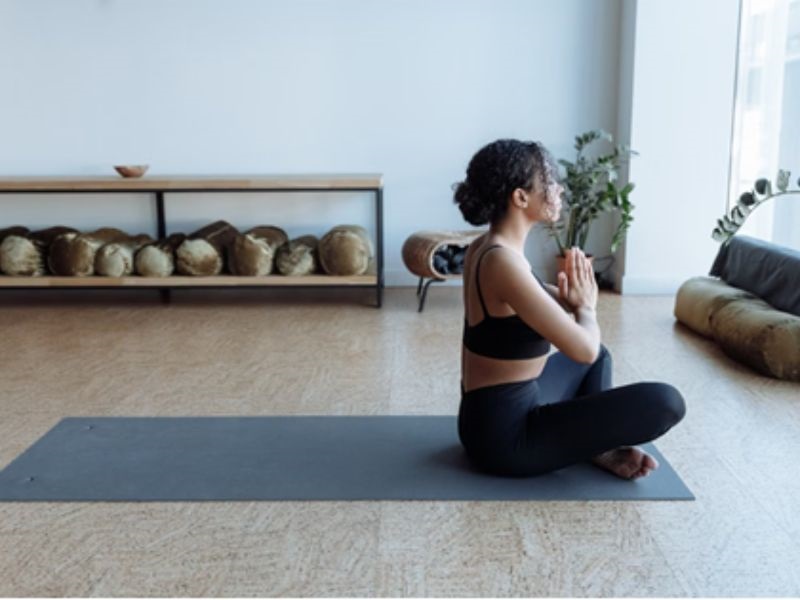
Picture a guest room that becomes a morning strength zone, then flips into a calm stretch space after dinner. A bench doubles as hidden storage, and a rolling cart tucks away bands and blocks. The room feels ready, even on busy days. With the layout clear, safe power and lighting choices get much easier to plan.
Plan the Electrical Backbone Before You Plug Anything In
A flexible, clutter-free wellness room only stays effortless if the systems behind the scenes can keep up with how often you’ll actually use it. When a space becomes your go-to spot for workouts, recovery, and relaxation, the home systems that make it comfortable and functional can end up working harder day after day.
Heating and cooling may run longer to keep the room at a steady, comfortable temperature, and the electrical system can see more consistent demand from lighting, fans, and regular device use, adding up to normal wear and tear over time. That’s why it can be worth considering a home warranty as part of your plan: it can reduce the stress of unexpected, covered system hiccups that interrupt your routine.
In particular, look at what interior electrical lines and components coverage includes. Electrical system coverage in a home warranty can cover repairs for hard-wired electrical lines and components such as wiring, light switches, and outlets, exactly the kinds of everyday basics you rely on to keep the room running smoothly. With that peace-of-mind layer in place, you’ll be ready to move into the practical remodel choices: how to set up zones, storage, light, and materials so the room supports every mode without feeling overbuilt.
Use a Remodel Plan: Zones, Storage, Light, Materials
A versatile wellness room works best when you plan it like a mini “home within a home”: clear zones, fewer loose items, flexible lighting, and surfaces that don’t get precious about sweat or scuffs.
- Start with a simple two-zone map (move + calm): Sketch your wellness room layout on paper and draw two rectangles, one for fitness and one for relaxation, then add a 3-foot “buffer lane” between them for safe transitions. Put the fitness zone closest to outlets and ventilation you planned earlier, since treadmills, fans, and speakers tend to dictate power needs. Keep the relaxation zone farther from the door if you can, so it stays quieter and doesn’t become a pass-through.
- Lock in a “clear floor rule” with hidden storage: Decide which items are allowed to live out (usually 1–2: a mat and maybe a foam roller), then make everything else earn a home. Wall-mounted shelves, tall cabinets, and under-bench cubbies are space-saving storage solutions that protect the calm vibe and keep weights from becoming toe-stubbers. A quick win is a single “drop zone” basket by the door for bands, socks, hair ties, and wipes, small stuff that otherwise migrates everywhere.
- Plan lighting like layers, not one big ceiling blast: Aim for three lighting jobs: bright for movement, soft for downshifting, and focused where you need it (like a mirror or yoga corner). Using various light sources around the room helps your eyes and mind settle instead of feeling like you’re under a spotlight. Put dimmers on the circuits you identified in your electrical plan so you can switch from “workout” to “wind-down” without changing fixtures.
- Use daylight, then control it: If you’ve got windows, place the relaxation zone where you can enjoy natural light without glare in your eyes; think reading chair angled sideways to the window. Add simple shades to manage afternoon heat and screen reflections during workouts. For evening use, set one warm lamp or wall sconce on a timer so the room feels welcoming before you ever flip the brighter switches.
- Choose materials that tolerate sweat, impact, and cleaning: For floors, prioritize resilient options: rubber tiles in the fitness zone or a durable hard floor with a large mat that can be lifted and dried. Paint in a washable finish and choose trim that doesn’t show every scuff; your future self will thank you when you’re wiping down walls after a high-energy session. If you’re adding mirrors, leave a small gap behind frames for airflow so condensation doesn’t linger.
- Create a 5-minute reset routine with “parking spots”: Give the main items a labeled home, mat rolled here, weights there, blanket in this bin, so cleanup is automatic. Keep a small towel hook and a closed hamper in the fitness zone to stop sweaty gear from drifting into the calm area. These little boundaries make the room easier to maintain on busy weeks when motivation is already stretched.
Wellness Room FAQs: Keeping It Calm and Usable
Q: How do I keep the wellness room from turning into a storage dump?
A: Give every item a “parking spot” and set a weekly 10-minute reset on your calendar. Use one contained catch-all (basket or bin) for small accessories, and anything that does not fit gets donated or relocated. A quick rule that helps is “nothing on the floor overnight.”
Q: What if workouts make the room feel loud or stressful?
A: Add soft materials that absorb sound, like a thick rug in the calm area, curtains, or upholstered seating. Consider the idea of neuroarchitecture, which emphasizes lighting and acoustics that support mood and stress reduction. Even a white-noise machine can help separate “move” energy from “rest” energy.
Q: How should I clean it without overthinking it?
A: Keep wipes and a small spray bottle where you finish workouts, so cleaning is part of the cooldown. Choose a simple routine: wipe high-touch spots after use, then do a deeper mop or vacuum once a week. If something needs special care, it probably does not belong in a sweat-friendly zone.
Q: When remodeling hiccups happen, what’s the safest place to compromise?
A: Compromise on decor first, not airflow, outlets, or safe footing. If the budget gets tight, keep one reliable light on a dimmer and prioritize a durable floor surface. You can always upgrade mirrors, shelves, and textiles later.
Q: Can one room really support both fitness and relaxation routines?
A: Yes, if you make transitions easy: different lighting settings, a dedicated scent or playlist for calm time, and a fast setup and pack-away plan. A distraction-controlled setup that supports focus can help you protect the room’s purpose, and 43% more focused work time is a useful benchmark to aim for when you reduce visual clutter.
Build a Wellness Room That Fits Real Life, Not Perfection
It’s easy for a wellness room to start with good intentions and end up as a cluttered catch-all, especially when life gets busy. The steadier path is a wellness remodeling summary mindset: start small with wellness spaces, make personalized space planning decisions, and let the room serve long-term wellness goals rather than a one-week burst of motivation. When the space is simple to reset and flexible to use, workouts happen more often, and relaxation actually feels restorative. A wellness room works best when it’s easy to use on your hardest days.